Dubai Home Interior Design: A Step-by-Step Guide for Beginners
Planning your first home in Dubai often feels thrilling yet somewhat daunting all at once. Whether you have only just received the keys to a compact apartment in Dubai Marina or a roomy villa on Palm Jumeirah, the options in front of you are plentiful. The encouraging part is that the whole process becomes far less intimidating when you divide it into a clear series of stages. This introductory guide walks you through the whole journey, from first ideas to the last styling, based on how projects really unfold in the UAE in 2026. Throughout you will come across realistic budget ranges, practical timelines, and the essential local approvals. By the end you should be confident enough to create a home that looks stunning yet suits daily life in the Emirates.
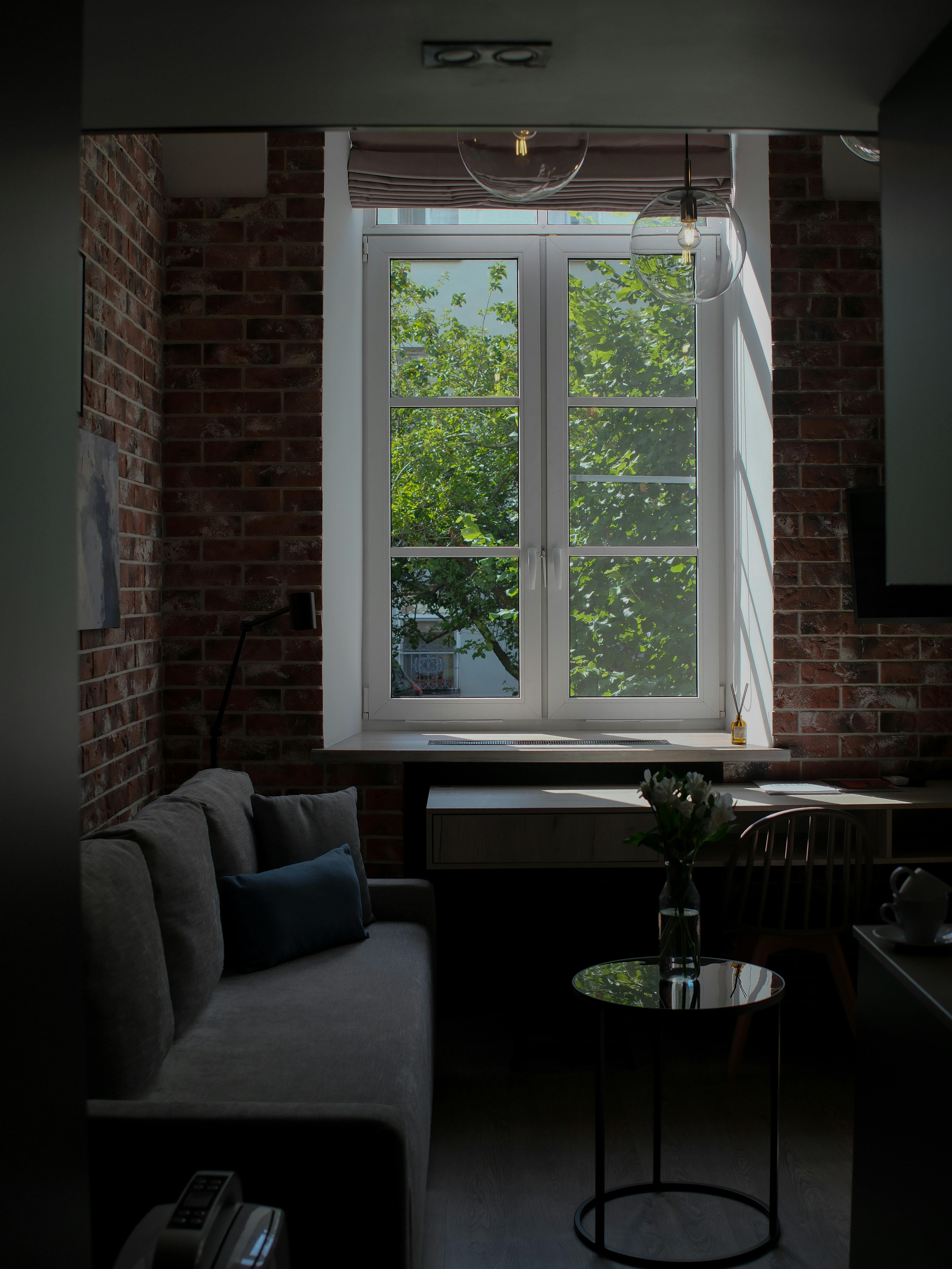
Why Designing a Home in Dubai Is Different
Home design in Dubai is not the same as working in a cooler climate, and knowing the differences upfront will save you both cash and headaches. With summer temperatures regularly topping 45 degrees Celsius, materials, fabrics, and finishes must stand up to heat, strong sunlight, and fine desert dust. Humidity near the coast in areas such as Dubai Marina or Jumeirah can affect timber, so designers often turn to engineered wood, porcelain, and treated surfaces. Since many residents rent instead of owning, some projects favour removable, https://www.interiordesigndubai.org/interior-design-al-seef/ damage-free upgrades over structural change. In most buildings, a No Objection Certificate from the owner or management must be secured before any fit-out work begins. Handover finishes from developers range widely too, meaning one apartment arrives fully tiled while another is a bare shell. Holding these local realities in mind from the start shapes all the decisions that follow.
The Process, Step by Step
Taking on a home project works best when you treat it as a run of stages rather than a single huge task. Professional studios across Dubai follow a broadly similar roadmap, and the same logic works even on a modest budget. The ten steps below run from understanding how you live to the final day of styling and handover. Each stage builds on the one before, so resist the temptation to jump ahead to shopping for furniture. What marks the difference between a calm and a stressful project is taking the early planning stages seriously. Read through the full list once before you begin so you can see where you are heading.
- Work out how you actually live: record your daily habits, who uses each room, and what annoys you about your current home.
- Fix a realistic budget and keep back roughly 10 to 15 percent as a contingency for the unexpected.
- Gather visual references, keeping images you like and spotting patterns in colour, texture, and mood.
- Take every measurement, because accurate room sizes, ceiling heights, and socket locations prevent expensive mistakes later.
- Settle on a style direction that works for your taste as well as the building’s architecture.
- Map out the layout, setting furniture zones around flow, natural light, and how the air conditioning reaches each seat.
- Choose materials and finishes that stand up to Dubai heat, humidity, and regular cleaning.
- Secure approvals, obtaining the building NOC and any fit-out permit before contractors lift a single tool.
- Run the works, coordinating trades, ordering long-lead items early, and inspecting progress at regular intervals.
- Style and snag, bringing in lighting, textiles, and accessories, then noting any defects for the team to fix.
Setting a Realistic Budget
Budget is the one question that drives everything else, so give it honest thought before you fall for a particular look. As a 2026 guide, a simple apartment refresh in Dubai typically costs about AED 200,000 to AED 340,000, whereas a mid-range scheme sits nearer AED 400,000 to AED 750,000. Turnkey interior and fit-out work is frequently quoted per square foot, and standard residential rates sit in the region of AED 75 to AED 250, with mid-tier schemes around AED 200 to AED 400. For luxury villas and penthouses, rates can push well above AED 600 to AED 1,200 per square foot once bespoke joinery and imported stone come in. Design-only fees are commonly charged at roughly 10 to 20 percent of the project budget, or by the square foot. Bear in mind these are market ranges rather than firm quotes, so treat them as a planning aid. The table below rounds up typical 2026 estimates to help you shape your own figures.
| Type of home | Project scope | 2026 estimated total (AED) | Typical duration |
|---|---|---|---|
| 1-2 bed apartment | Budget refresh | 200,000 – 340,000 | 6 – 8 weeks |
| 2-3 bed apartment | Mid-range scheme | 400,000 – 750,000 | 8 – 10 weeks |
| 3-4 bed villa | Complete renovation | 250,000 – 600,000 | 10 – 14 weeks |
| Luxury villa | Turnkey bespoke | 600,000 – 2,000,000+ | 20 – 36 weeks |
Understanding the Timeline
Time is easy to underestimate, especially for first-time clients who expect a home to come together in a fortnight. Realistically, a typical Dubai apartment project spans roughly 6 to 10 weeks from the start of work to handover, so long as decisions are made promptly. A villa typically takes 10 to 14 weeks, while large luxury homes can extend to between 20 and 36 weeks where bespoke elements feature. Within that period, the concept phase often takes 2 to 4 weeks, detailed design a further 4 to 8 weeks, and permits or NOC approvals another 2 to 6 weeks. On-site execution typically lasts 4 to 8 weeks, then a brief snagging window of 1 to 2 weeks. Most delays trace back to slow decisions, imported goods stuck in transit, or approvals postponed until the last minute. Adding a small buffer to your plan keeps the entire process calm.
Approvals and the Rules of Your Building
The part beginners overlook most is approvals, and ignoring them can bring a project to a halt overnight. Before any fit-out or renovation starts, you usually need a No Objection Certificate from the building owner or management company. You then apply for a fit-out permit from the relevant authority, which is usually Dubai Municipality across most of the city. Certain communities and free zones sit under the Dubai Development Authority or Trakhees instead, so check which body governs your address. Anything affecting fire safety must satisfy Dubai Civil Defence, and utility changes involve DEWA. As a rough 2026 guide, standard approvals are often processed within about 3 to 10 working days. Building these steps into your timeline from the outset avoids costly stop-work surprises.
Beginner Mistakes to Avoid
A few predictable mistakes trip up almost every first-time client, and awareness alone helps you sidestep them. Most of these errors come from rushing ahead or skipping the planning stages described above. They tend to cost money, waste time, or leave you living with a compromise you notice every day. The good news is that every one is easy to avoid once you know to look for it. Hold the short checklist below close while planning and revisit it ahead of every major decision. A bit of care now saves plenty of regret later.
- Buying furniture before finalising the layout, which leads to pieces that do not fit the room.
- Leaving lighting until the last minute, when good schemes plan ambient, task, and accent layers early.
- Skipping the contingency fund, so any surprise becomes a stressful budget crisis.
- Choosing delicate finishes that cannot cope with heat, humidity, or frequent cleaning.
- Leaving approvals late, which can freeze the whole project for days or weeks.
Making Your Dubai Home Come Together
Once a clear sequence sits in front of you, a first Dubai home project becomes a set of manageable decisions rather than a single scary leap. First work out how you genuinely live, and let the budget, layout, and materials fall into place around it. Account for the local realities of climate, approvals, and handover conditions, and you will dodge the traps that catch most beginners. Established studios like Zen Interiors and Muse Design demonstrate how turnkey planning keeps a project coordinated from concept to styling, and the same thinking scales down to smaller homes. Keep your contingency intact, make decisions promptly, and build a realistic timeline that includes permits. Treat every figure here as a 2026 market estimate to guide your thinking rather than a fixed price. Get those right, and your Dubai home will come together far more calmly than you expected.
Leave a Reply